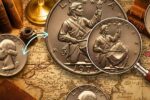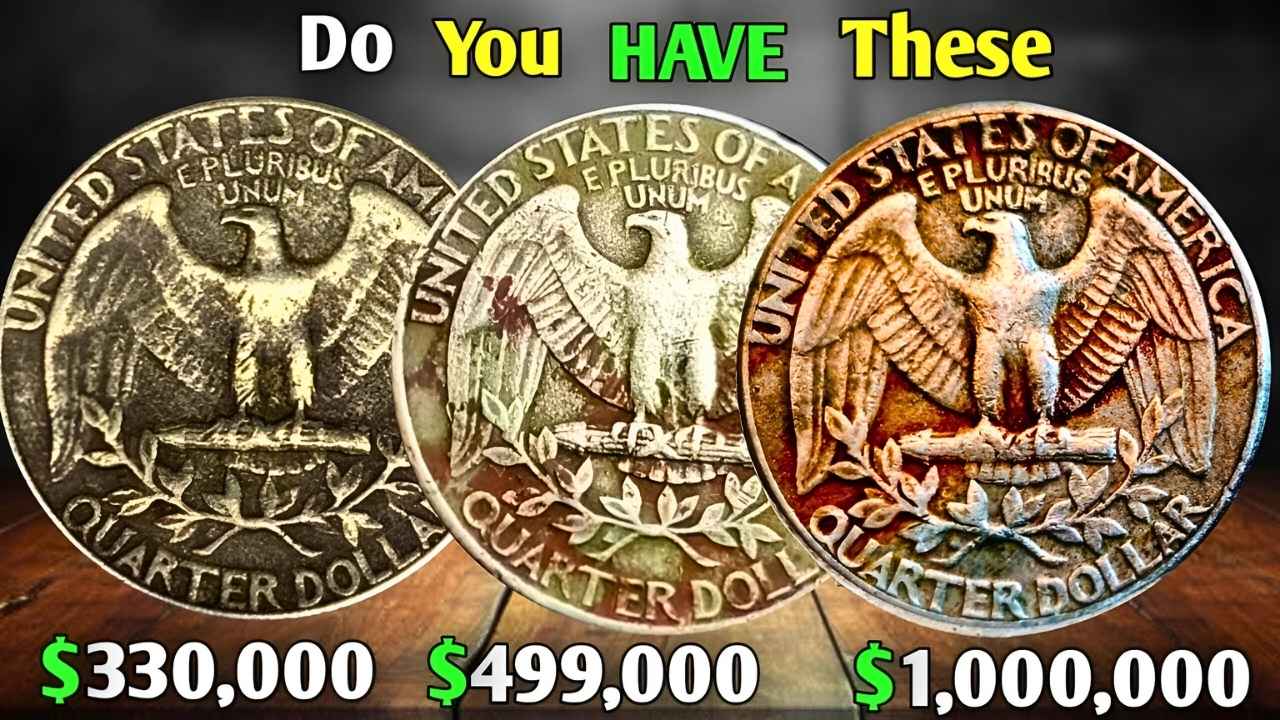
Top Ultra Rare Destroyed Quarters Worth Big Money: Most people assume that damaged or destroyed coins are worthless, but in the world of numismatics, certain destroyed quarters can be worth thousands. These coins are not simply scratched or bent from circulation; they are minting errors or anomalies that occurred during production. Collectors prize them because they are rare, unique, and often tell fascinating stories about the minting process. In 2026, destroyed quarters from 1965, 1976, and 1983 continue to capture attention, with some examples commanding extraordinary prices.
Why Destroyed Quarters Can Be Valuable
The value of a destroyed quarter depends on whether the damage occurred during minting or afterward. Post-mint damage, such as scratches or bends from circulation, usually reduces value. However, minting errors like off-center strikes, double strikes, or planchet flaws can transform an ordinary coin into a rare treasure. These coins are valuable because they are scarce, often existing in only a handful of examples. Collectors are willing to pay premiums for coins that showcase unusual mistakes.
The 1965 Transitional Error Quarter
In 1965, the Mint transitioned from silver to clad coinage. A few quarters were mistakenly struck on leftover silver planchets, creating rare transitional errors. These coins are highly prized today, with values reaching thousands of dollars. The 1965 transitional error quarter demonstrates how minting anomalies can produce treasures that defy expectations. Collectors prize it not only for its rarity but also for its connection to a pivotal moment in U.S. coinage history.
The 1976 Bicentennial Quarter Errors
The Bicentennial quarter, featuring a colonial drummer, was minted in massive numbers to celebrate America’s 200th anniversary. While most examples are common, certain error varieties have become highly valuable. Off-center strikes, double strikes, and planchet flaws created unique coins that collectors eagerly seek. Silver proof versions are also prized, especially in pristine condition. The 1976 Bicentennial quarter errors highlight the excitement of discovering rare treasures in a coin that millions of people handled.
The 1983 Doubled Die Quarter
Error coins continued to appear in later years, including the 1983 doubled die quarter. The doubling is visible on the inscriptions, creating a distinctive variety that collectors eagerly seek. High-grade examples can be worth hundreds or even thousands of dollars. The 1983 doubled die quarter demonstrates that minting errors can occur even in modern times, producing coins of significant value. For collectors, it is a reminder that treasures can still be found in circulation.
The Role of Condition in Value
Condition plays a crucial role in determining the value of destroyed quarters. Coins are graded on a scale from 1 to 70, with higher grades indicating better preservation. Even with minting errors, coins in pristine condition are worth more than those with wear. Professional grading services provide authentication and ensure that collectors can buy and sell with confidence. For investors and collectors alike, grading is essential to maximizing value.
Collecting Destroyed Quarters Today
For modern collectors, destroyed quarters offer an exciting and accessible entry point into numismatics. While some varieties are extremely rare, others can still be found in circulation or purchased at reasonable prices. Collectors often seek complete sets of error coins, focusing on off-center strikes, double strikes, and unusual varieties. The destroyed quarter series provides a rich field for exploration, combining historical significance with the thrill of discovery.
Viral Stories of Everyday Discoveries
Part of the fascination with destroyed quarters comes from stories of everyday discoveries. A person sorting through pocket change might stumble upon a transitional error or a doubled die variety without realizing its worth. These stories often go viral, inspiring others to examine their coins more closely. The idea that a coin worth thousands could be hiding in plain sight captures the imagination and fuels interest in numismatics.

The Cultural Significance of Error Coins
Beyond their monetary value, destroyed quarters hold cultural significance. They reflect moments of change in minting practices and the occasional surprises that result. These coins serve as tangible reminders of the complexity of producing currency and the rare accidents that create treasures. For many collectors, owning a destroyed quarter is not just about investment but about connecting with history.
Lessons from Destroyed Quarter Stories
The stories of valuable destroyed quarters teach important lessons. They remind us to pay attention to details, as small differences in design or minting can create extraordinary value. They highlight the importance of preservation, as condition greatly affects worth. Most of all, they show that treasures can be found in everyday life, encouraging curiosity and appreciation for history. These lessons resonate with collectors and casual enthusiasts alike.

The Future of Destroyed Quarter Collecting
As interest in numismatics continues to grow, destroyed quarters are likely to remain popular collectibles. Their rarity and uniqueness ensure that demand will persist. Online marketplaces and social media have made it easier for collectors to share discoveries and trade coins, amplifying the excitement around rare finds. The destroyed quarter is more than just a coin; it is a symbol of history, pride, and the enduring fascination with hidden treasures.
Conclusion
The top ultra rare destroyed quarters—the 1965 transitional error, the 1976 Bicentennial errors, and the 1983 doubled die—represent some of the most exciting discoveries in coin collecting. Their values, often reaching thousands, demonstrate the importance of paying attention to details and preserving history. Viral stories of everyday discoveries keep the fascination alive, reminding us that extraordinary treasures can hide in the most ordinary places. For collectors and enthusiasts, destroyed quarters are more than coins; they are pieces of history worth cherishing.