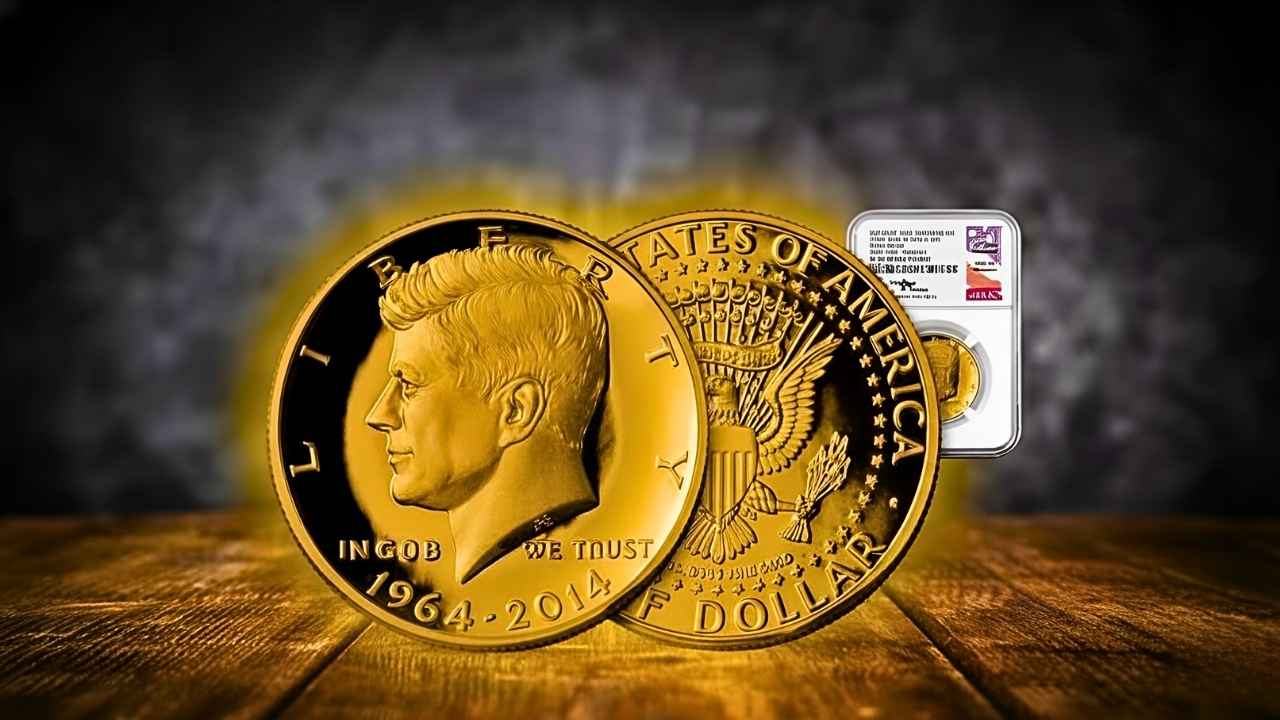
Rare 1943 Copper Penny: In the world of coin collecting, there are few stories as fascinating and as valuable as the rare 1943 copper penny. While most of the Lincoln Wheat pennies from this year are composed of steel to conserve copper during World War II, a handful of 1943 pennies were mistakenly struck in copper instead of steel, creating a coin so rare that it has reached values as high as $5 million. This particular coin has become a legendary example of how minting errors can turn a seemingly ordinary piece of currency into an extraordinary treasure.
In this article, we will dive into the history, rarity, and value of the 1943 copper penny, exploring what makes this coin one of the most coveted items in the world of numismatics.
The Background of the 1943 Lincoln Wheat Penny
To understand the significance of the 1943 copper penny, it’s important to know a little about the history of the Lincoln Wheat penny series. The Lincoln Wheat cent was first introduced in 1909 to commemorate the 100th anniversary of Abraham Lincoln’s birth. For decades, this penny design remained unchanged, with the familiar portrait of Lincoln on the obverse and two stalks of wheat on the reverse.
However, during World War II, the U.S. Mint faced a significant shortage of copper, which was needed for ammunition and other wartime necessities. In response, the U.S. government decided to change the composition of the penny in 1943, switching from copper to steel in an effort to conserve resources. As a result, most 1943 pennies were minted using a zinc-coated steel composition, giving them a distinctive silver-like appearance. These steel pennies were produced in large quantities, and millions of them were distributed throughout the country.
The Mistake That Created a Million-Dollar Coin
While the 1943 steel pennies became the norm, a small number of copper pennies were mistakenly minted that year. It’s believed that some copper planchets (the metal disks used to strike the coins) were accidentally left in the press from the previous year, causing a small number of 1943 pennies to be struck in copper rather than the intended steel.
The number of these copper pennies that were produced is incredibly small, and it’s difficult to know exactly how many still exist today. Some estimates suggest that only a handful of these rare coins were ever made, making them one of the most sought-after finds in the world of coin collecting.
While many of these coins were likely melted down after being discovered, a few have survived, and their value today is staggering. The 1943 copper penny is considered one of the rarest coins in the United States, with examples fetching prices in the millions at auction.
The Value of the 1943 Copper Penny
The 1943 copper penny has an incredible value due to its rarity and the historical circumstances surrounding its creation. As of recent sales, the price of a 1943 copper penny can reach up to $5 million, though the exact value depends on the coin’s condition, authenticity, and the specific circumstances of the sale.
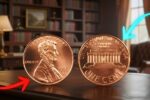
In 2010, a 1943 copper penny was sold at a public auction for $1.7 million, setting a record for the most expensive penny ever sold at the time. However, in 2019, another 1943 copper penny sold for a stunning $1.7 million, proving that these coins still fetch astronomical prices in the numismatic world. More recently, there have been reports of 1943 copper pennies being valued at up to $5 million, making them one of the most expensive coins ever sold.
The price of these coins is driven by several factors. First, their extreme rarity makes them incredibly desirable to collectors. Additionally, the fact that these coins were accidentally struck in copper during a time of wartime resource scarcity adds an element of historical intrigue that further increases their value. Finally, the condition of the coin plays a significant role in determining its price. Coins that are in pristine condition, with minimal wear and no damage, will always fetch a higher price than coins that are in poor condition.

How to Identify a 1943 Copper Penny
If you’re lucky enough to come across a 1943 penny in your pocket change, it’s important to know how to identify whether it’s one of the rare copper varieties. Here are some key features to look for:
1. Color
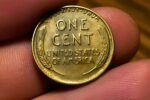
One of the most obvious differences between a 1943 copper penny and the common 1943 steel penny is the color. The copper pennies have a rich, reddish-brown hue, while the steel pennies have a dull, silvery appearance. If you find a 1943 penny that looks more like a regular Lincoln Wheat cent with a coppery tint, you may have stumbled upon a rare copper variety.
2. Weight
Another important factor in identifying a 1943 copper penny is its weight. Steel pennies weigh about 2.7 grams, whereas copper pennies are slightly heavier, weighing approximately 3.1 grams. If you have a 1943 penny and it feels unusually heavy, it could be worth further examination. The difference in weight is subtle but noticeable when compared to a standard steel penny.
3. Mint Mark and Condition
Just like other Lincoln Wheat pennies, the 1943 penny will have a mint mark indicating where it was produced. The most common mint marks are “D” for Denver and “S” for San Francisco, but the absence of a mint mark signifies a coin minted in Philadelphia. Coins in better condition will also have sharper details and less wear, which is important for determining their value.
4. Authentication
If you believe you have found a 1943 copper penny, it’s important to have the coin authenticated by a professional grader or numismatist. The rarity of the coin makes it a target for counterfeiters, so it’s essential to verify its authenticity before jumping to conclusions about its value. Grading services such as the Numismatic Guaranty Corporation (NGC) or Professional Coin Grading Service (PCGS) can help authenticate the coin and provide a grade, which will significantly affect its market value.
Why the 1943 Copper Penny Is So Valuable
The rarity of the 1943 copper penny is not just due to the minting mistake but also the historical context surrounding it. The United States was at war during the minting of the 1943 pennies, and copper was a critical resource needed for ammunition, shell casings, and other wartime materials. As a result, the decision to switch to steel for the penny’s composition was a significant step toward conserving copper for military use.
Additionally, the 1943 copper penny’s creation as a result of a minting error adds an extra layer of intrigue for collectors. Many numismatists view these pennies as symbols of wartime history, and their value is boosted by their association with the World War II era. Collectors who are passionate about both history and coinage are often willing to pay millions for one of these rare coins.
The Future of the 1943 Copper Penny
As with any rare collectible, the value of the 1943 copper penny will continue to fluctuate with the market. Given its historical significance and rarity, it’s likely that this coin will continue to increase in value over time. However, as more people become aware of its existence, the supply of these coins will continue to decrease, further driving up demand and price.
If you’re a coin collector or investor, finding a 1943 copper penny could be a game-changer for your collection. While the chances of finding one in circulation are slim, it’s always worth checking your spare change and keeping an eye on auctions or sales in case one comes up for grabs.
Conclusion
The 1943 copper penny is a true gem in the world of coin collecting. Its unique history, rarity, and value have made it one of the most coveted coins in the United States. While finding one in your pocket change may seem like a long shot, the excitement of stumbling upon a coin worth millions is what makes numismatics so thrilling. Whether you’re a seasoned collector or a casual enthusiast, the 1943 copper penny is a reminder of how a simple mistake during the minting process can result in a coin worth more than its weight in gold.