Lincoln Wheat Penny Worth $90,000: Coins have always been more than just pieces of metal used for everyday transactions. They are miniature works of art, historical records, and sometimes, hidden treasures. Stories of rare coins selling for thousands or even tens of thousands of dollars often capture headlines and spark curiosity. One such tale involves the Lincoln Wheat Penny, with claims that certain rare versions can be worth as much as 90,000 dollars. This sensational figure has intrigued collectors and casual readers alike, raising the question of whether such a coin could still be hiding in circulation.
The Origins of the Lincoln Wheat Penny
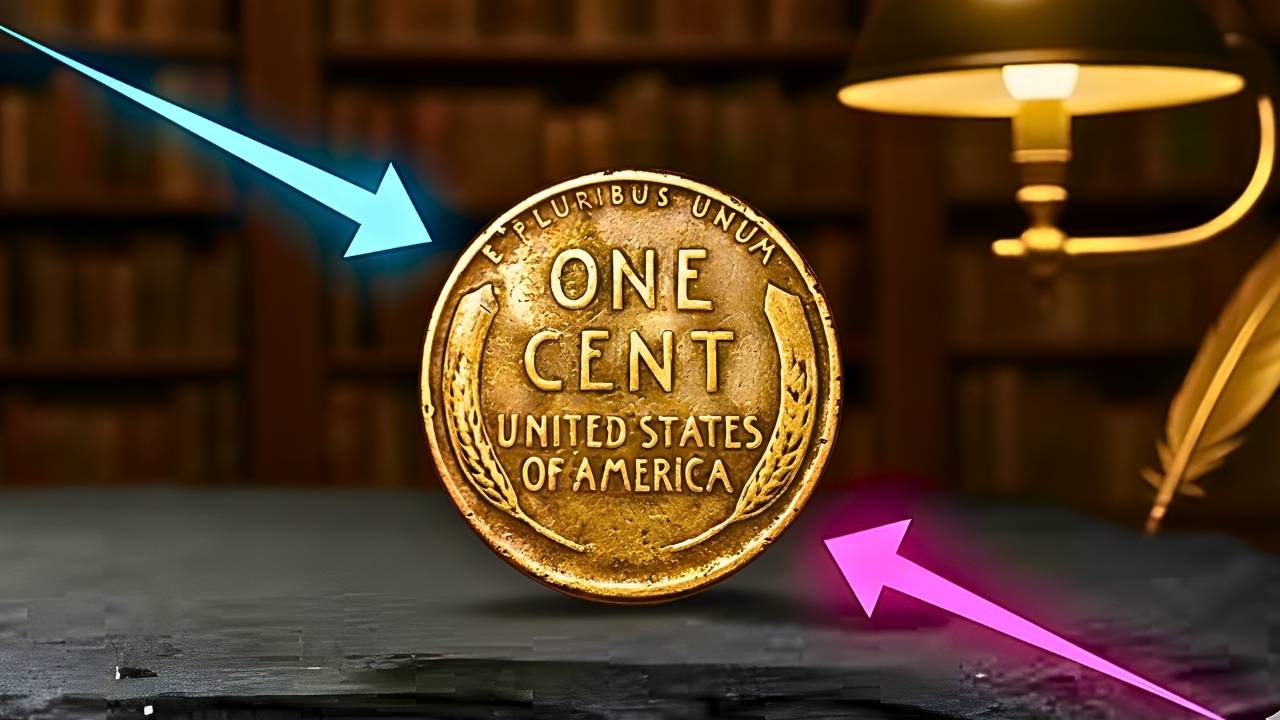
The Lincoln Wheat Penny was first minted in 1909 to honor the 100th anniversary of Abraham Lincoln’s birth. It was the first regular issue coin in the United States to feature a real person rather than symbolic imagery. Designed by Victor David Brenner, the coin carried Lincoln’s portrait on the obverse and two wheat stalks on the reverse, giving it the nickname “Wheat Penny.” Minted until 1958, it became a staple in American pockets and remains a nostalgic piece for many.

Why Some Wheat Pennies Are Valuable
Most Wheat Pennies are common and worth only a few cents today. However, certain rare varieties can command extraordinary prices. The value of a coin depends on several factors. Rarity is the most obvious. If only a handful of coins exist, collectors will compete fiercely to own them. Condition also plays a major role. A coin in pristine, uncirculated condition can be worth exponentially more than one that has been circulated. Minting errors, such as coins struck on the wrong planchet or doubled dies, are highly prized. Finally, historical significance can elevate a coin’s value far beyond its face value.
The Claim of the 90,000 Dollar Penny
The claim that a Lincoln Wheat Penny is worth 90,000 dollars is rooted in reality. Certain rare varieties have indeed sold for impressive sums at auction. While not every Wheat Penny carries such value, coins like the 1943 copper penny or the 1955 double die have fetched extraordinary prices. The 90,000 dollar figure is not a myth but a reflection of how rare and desirable some Wheat Pennies can be when the right combination of rarity, condition, and collector demand comes together.
The Famous 1943 Copper Penny
The most famous Wheat Penny is the 1943 copper penny. During World War II, copper was needed for the war effort, so the U.S. Mint produced pennies from steel coated with zinc. However, a few copper blanks were mistakenly used, resulting in one of the rarest coins in American history. These pennies have sold for tens of thousands and even hundreds of thousands of dollars at auction. They are the closest reality to the sensational claim and remain legendary among collectors.
Other Notable Wheat Penny Varieties
Several other Wheat Penny varieties are genuinely valuable. The 1909 S VDB is one of the most famous, with only 484,000 produced before the designer’s initials were removed. The 1914 D is another key rarity, with only about 1.2 million struck in Denver. The 1922 No D variety, created when a worn die failed to leave the mint mark, is also highly prized. The 1955 double die is one of the most dramatic error coins, with visible doubling on the date and lettering. Each of these coins can be worth thousands or tens of thousands of dollars depending on condition.

How To Spot a Rare Wheat Penny
Spotting a rare Wheat Penny requires careful examination. Start by checking the date and mint mark. Coins from 1909 with the initials VDB, coins from 1914 struck in Denver, and coins from 1922 without a mint mark are all valuable. Look for unusual features such as doubled lettering or off center designs. Examine the coin’s condition under good lighting. Coins with sharp details and no wear are more desirable. If you suspect a coin may be rare, consider submitting it to a professional grading service. Authentication and grading can significantly increase a coin’s market value.
The Role of Condition in Value
Condition plays a critical role in determining the value of any coin. A circulated Wheat Penny with scratches and wear may be worth only a fraction of its uncirculated counterpart. Professional grading services can authenticate rare finds and assign them a grade that determines value. Coins graded MS65 or higher are considered near flawless and can command premium prices. The better the condition, the greater the value.

Myths and Misconceptions
As with many rare coin stories, myths and misconceptions abound. Some people believe that any Wheat Penny could be worth tens of thousands of dollars, but this is rarely the case. Most coins are common and hold only modest value. The myth persists because people love the idea of hidden treasure. The story of the 90,000 dollar coin is appealing, but it is the exception rather than the rule. Collectors must be cautious and rely on verified information when evaluating coin values.
Auction Stories and Collector Dreams
Auction records provide a more realistic picture of the Wheat Penny’s value. Rare varieties and error coins have sold for impressive sums, sometimes reaching tens of thousands or even hundreds of thousands of dollars. These figures are far from myth and demonstrate the genuine potential of rare coins. Stories of coins selling for high prices inspire collectors to keep searching. The dream of finding that one extraordinary coin is what makes numismatics so captivating.
The Joy of Collecting
Even if most Wheat Pennies are not worth a fortune, collecting them can still be rewarding. The coin carries historical significance as a tribute to Abraham Lincoln and a symbol of early twentieth century America. It connects collectors to the past and offers the thrill of discovery. For many, the joy lies not in the monetary value but in the stories each coin carries. Each piece is a tangible link to history, and the pursuit itself becomes the treasure.
Conclusion
The Lincoln Wheat Penny valued at 90,000 dollars is not just a myth but a reflection of how rare coins can achieve extraordinary value. While most Wheat Pennies are common, certain rare varieties can indeed be worth a small fortune. The story serves as a reminder of how history, rarity, and condition combine to create treasures hidden in plain sight. For collectors, the real reward lies not just in the value of the coins but in the history they preserve and the joy they bring. The Wheat Penny remains a beloved piece of American history, and whether worth a few cents or tens of thousands, it continues to inspire fascination across generations.