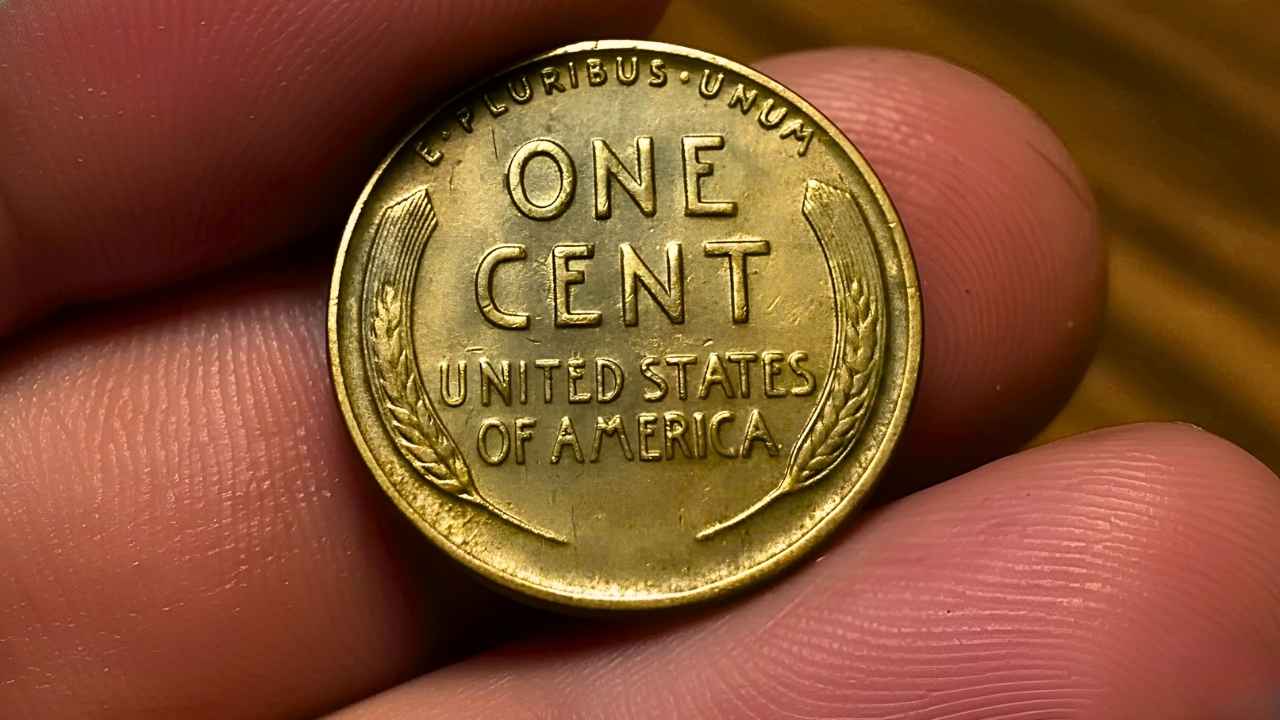
Lincoln Wheat Penny Worth $650,000: The Lincoln Wheat Penny is one of the most iconic and widely collected coins in American history. Minted from 1909 to 1958, this small copper coin has fascinated collectors for generations. While most Wheat Pennies are worth only a few cents or dollars, a rare variation has shocked the coin world with an estimated value of up to 650,000 dollars. This staggering price has turned everyday coin jars and old collections into potential treasure chests.
Understanding why a simple penny can be worth more than a luxury home requires knowledge of history, minting errors, rarity, and condition. This article explains everything you need to know about the rare Lincoln Wheat Penny and how to spot one that could change your life.

History of the Lincoln Wheat Penny
The Lincoln Wheat Penny was first introduced in 1909 to commemorate the 100th anniversary of President Abraham Lincoln’s birth. It was the first U.S. coin to feature a real historical figure rather than a symbolic image. Designed by Victor David Brenner, the obverse displays Lincoln’s profile, while the reverse shows two wheat stalks framing the words One Cent.
This design remained in circulation until 1958, after which it was replaced by the Lincoln Memorial reverse. Over nearly five decades, billions of Wheat Pennies were minted, but a small number were struck under unusual conditions that make them extremely rare today.
Why Some Lincoln Wheat Pennies Are Worth 650,000 Dollars
Not all Wheat Pennies are valuable. The ones commanding prices as high as 650,000 dollars are rare due to a combination of factors including minting errors, limited production, and historical circumstances.
The most famous example is the 1943 copper Lincoln Wheat Penny. During World War II, the U.S. Mint switched from copper to zinc coated steel to conserve copper for the war effort. However, a few copper blanks from 1942 were accidentally left in the presses and struck with the 1943 date. These error coins were never meant to exist, making them incredibly rare.
Only a small number of these copper 1943 Wheat Pennies are known to exist today, and collectors are willing to pay extraordinary amounts to own one.
Key Features of the Rare 1943 Copper Wheat Penny
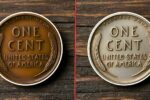
Identifying a genuine 1943 copper Wheat Penny requires careful attention. The first thing to check is the date. It must clearly read 1943. Most 1943 pennies are steel and appear silver or gray in color. A copper version will have a reddish brown tone similar to earlier pennies.
Another important test involves magnetism. Steel pennies are magnetic, while copper pennies are not. If a 1943 penny does not stick to a magnet, it may be worth further examination. Weight is also a clue. A copper penny weighs about 3.11 grams, while a steel penny weighs around 2.7 grams.
However, counterfeits exist, and some altered coins are made by copper plating steel pennies or changing the date on a 1945 or 1948 penny. Professional authentication is essential before assuming high value.
Other Valuable Lincoln Wheat Pennies to Watch For
While the 1943 copper penny is the most famous, several other Wheat Pennies can be extremely valuable. The 1909 S VDB penny is one of the most sought after by collectors. It was minted in San Francisco and features the designer’s initials VDB on the reverse. Only a limited number were produced before the initials were removed, making this coin highly desirable.
Another valuable coin is the 1914 D Wheat Penny. Minted in Denver, it had a low production run and is difficult to find in good condition. High grade examples can sell for tens of thousands of dollars.

The 1922 No D penny is another famous error. Although minted in Denver, the mint mark is missing due to die wear. Genuine examples are rare and valuable.
How Coin Condition Affects Value
Condition plays a major role in determining a Wheat Penny’s worth. Coins are graded on a scale ranging from heavily worn to mint state. A rare penny in poor condition may still be valuable, but the same coin in near perfect condition can be worth many times more.
Collectors look for sharp details, clear lettering, minimal scratches, and original color. Cleaning a coin can significantly reduce its value, even if it appears shinier afterward. It is always best to leave coins in their natural state.
Where Rare Wheat Pennies Are Found
Many rare Wheat Pennies have been discovered in unexpected places. Some were found in old piggy banks, inherited collections, rolls of pennies from banks, or even loose change. Because pennies often circulate for decades, it is possible that rare examples are still out there waiting to be discovered.
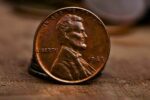
Searching through old coin collections from relatives is one of the best ways to find Wheat Pennies. Estate sales and flea markets can also be good sources for unsearched coins.
What to Do If You Think You Found One
If you believe you have found a rare Lincoln Wheat Penny, the first step is not to sell it immediately. Avoid cleaning or altering the coin in any way. Store it safely in a protective holder.
Next, have the coin evaluated by a reputable coin dealer or professional grading service. Authentication is crucial, especially for high value coins like the 1943 copper penny. Once authenticated, you can explore selling options such as auctions or private collectors to get the best possible price.
Why Lincoln Wheat Pennies Remain Popular Today
Lincoln Wheat Pennies continue to captivate collectors because they combine history, affordability, and the thrill of discovery. Even common Wheat Pennies are enjoyable to collect, while rare varieties offer the possibility of extraordinary rewards.
The idea that a single penny could be worth 650,000 dollars captures the imagination of both seasoned collectors and beginners. It reminds people that hidden treasures can still exist in everyday objects.
Final Thoughts
The Lincoln Wheat Penny is more than just a piece of old currency. It is a symbol of American history and a reminder that rarity and value can sometimes hide in plain sight. While finding a 650,000 dollar penny is extremely rare, learning how to identify valuable Wheat Pennies can turn a simple hobby into an exciting pursuit.
Checking your coins carefully, understanding key dates and errors, and respecting proper coin handling can make all the difference. The next time you come across an old penny, take a closer look. You never know what it might be worth.