Lincoln Wheat Penny Values: The Lincoln Wheat penny, a staple of U.S. coinage from 1909 to 1958, holds a special place in the hearts of collectors. Over the years, this simple coin has seen many variations and subtle changes, making it a fascinating area of focus for numismatists and casual collectors alike. While many of these pennies are common and worth only their face value, there are certain years and mint marks that can fetch a pretty penny in the market.
In this 10-year collector’s guide, we’ll delve into the values of the Lincoln Wheat penny, highlighting the rare and valuable coins that collectors should look out for. Whether you’ve just started collecting or have been searching through change for years, this guide will help you better understand what makes some of these pennies worth more than others.
The Basics of the Lincoln Wheat Penny
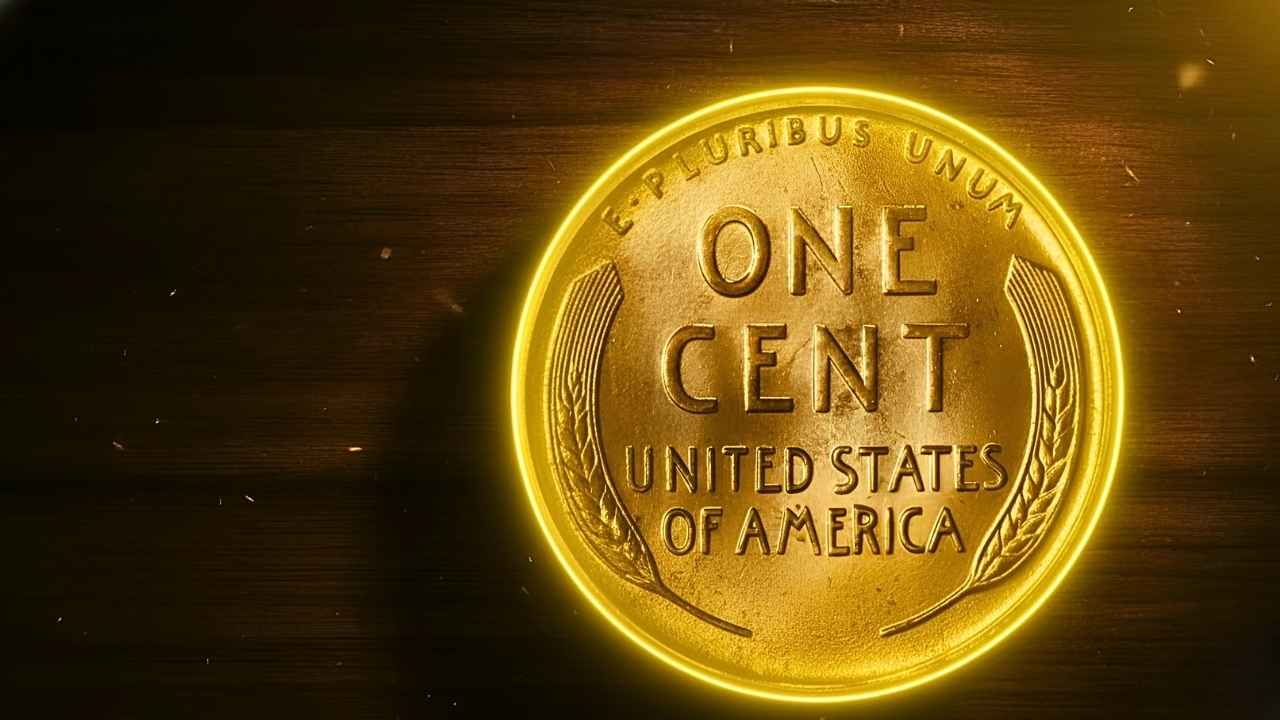
First, let’s review the basics of the Lincoln Wheat penny for those who may be new to coin collecting. Minted from 1909 to 1958, these pennies are made of copper and feature the image of Abraham Lincoln on the obverse, with two stalks of wheat on the reverse. The Wheat penny was replaced by the Lincoln Memorial penny in 1959, but during its nearly five decades in circulation, it became a hallmark of American currency.
The Lincoln Wheat penny is often collected for its design, historical significance, and the opportunity to discover rarities. Although most Wheat pennies are worth only a few cents, some varieties can be worth hundreds or even thousands of dollars, depending on their condition, year, and mint mark.

Key Dates and Rare Variants
Over the 49 years that the Lincoln Wheat penny was minted, several key dates stand out as particularly valuable due to low mintage numbers, design changes, or errors. If you’re looking to add valuable pieces to your collection, focusing on these rare variants is a good place to start.
1909-S VDB
The 1909-S VDB is one of the most sought-after Lincoln Wheat pennies by collectors. The coin features the initials “VDB” (for engraver Victor David Brenner) on the reverse, which caused a bit of controversy when the initials were initially included. As a result, the U.S. Mint stopped using the VDB mark after only a brief period, making these pennies especially rare. Only around 484,000 of these pennies were minted, which explains why the 1909-S VDB commands such a high price today. Depending on the condition of the coin, this penny can be worth anywhere from a few hundred to several thousand dollars.
1914-D
Another highly prized coin in the Lincoln Wheat series is the 1914-D. The 1914-D is rare because only 1.1 million were minted, making it one of the lowest-mintage coins of the era. Additionally, the 1914-D often appears in circulation with wear and damage, which makes finding one in high grade especially difficult. A well-preserved 1914-D can be worth hundreds of dollars, and those in exceptional condition can fetch over a thousand. Collectors often search for this coin, hoping to add a rare piece to their collection.
1922 No D
The 1922 No D penny is one of the most famous error coins in the Lincoln Wheat penny series. Most pennies from 1922 were struck with the mint mark “D” (for Denver), but some were mistakenly struck without it, creating a rare variety. The 1922 No D penny can be worth significantly more than a regular 1922 penny due to its rarity. While there is some debate over whether the lack of the mint mark was intentional or due to wear on the die, the coin remains a coveted find among collectors. Depending on the coin’s condition, a 1922 No D penny can be worth several hundred dollars or more.
1931-S
The 1931-S is another low-mintage coin in the Lincoln Wheat series, with only 866,000 pennies minted that year. This coin is highly valuable in high grades, as many of the 1931-S pennies were heavily worn during circulation. The demand for this particular coin is driven by its rarity and the fact that many collectors are eager to fill this gap in their Lincoln Wheat penny collections. A 1931-S penny in good condition can be worth several hundred dollars, and those in mint condition can reach even higher values.
1955 Double Die Obverse
While it might seem strange to include a coin from the 1950s in a guide about rare and valuable Lincoln Wheat pennies, the 1955 Double Die Obverse is an exception. This coin is famous for its distinct error where the obverse (front) of the coin was struck multiple times, creating a “doubled” appearance in the date and the word “Liberty.” This error makes the 1955 Double Die Obverse an especially sought-after coin for collectors. Despite its relative recency compared to other rarer coins from the series, a 1955 Double Die Obverse in high grade can easily be worth over $1,000.
Condition Matters: Grading Your Lincoln Wheat Pennies
When assessing the value of any coin, including Lincoln Wheat pennies, the condition of the coin plays a significant role. Coins are graded based on their wear and appearance, with higher-grade coins commanding higher prices. The most commonly used grading scale is the 1-70 scale, where coins in excellent condition (with little to no wear) are graded closer to 70, while coins with more wear are graded lower.
For Lincoln Wheat pennies, collectors typically seek coins in higher grades, as these are rarer and more valuable. A coin that is worn down, with visible scratches or discoloration, will generally be worth less than one in mint condition. If you’re lucky enough to find a Lincoln Wheat penny in excellent condition, it could dramatically increase its value.
Additional Rare Finds: Mint Errors
While specific dates and mint marks are often the most valuable, there are also various error coins within the Lincoln Wheat penny series that can be worth a lot more than face value. Some common error types to look for include:
- Off-center Strikes: When a coin is struck incorrectly and the design is misaligned, it can create a coin with a unique, off-center appearance. These errors can be rare and valuable, depending on how misaligned the design is.
- Double Strikes: A double strike occurs when a coin is struck by the die more than once, creating a blurry or “doubled” design.
- Die Cracks: Sometimes, the die used to strike the coins develops cracks, which can result in unique markings on the coin. These coins can be valuable to collectors who specialize in die varieties and errors.
The Future of Lincoln Wheat Penny Collecting
As we look ahead to the future of coin collecting, the Lincoln Wheat penny will undoubtedly continue to be a staple for collectors. The coins from this series have only become more valuable over time, and it’s likely that prices will continue to rise, especially for rare varieties and those in high-grade condition.
For new collectors, the key to success in the next 10 years will be patience and attention to detail. Be sure to carefully examine each penny you come across, as you never know when you might find that rare gem hiding in your pocket change or collection.
Conclusion
The Lincoln Wheat penny series offers a rich and exciting world for coin collectors. With its variety of rare dates, mint marks, and error coins, there are countless opportunities to uncover valuable pieces. By focusing on key dates such as the 1909-S VDB, 1914-D, 1922 No D, and others, collectors can increase their chances of finding a penny worth far more than its face value. Whether you’re an experienced numismatist or just starting, the next great find might be just a coin roll away. Keep hunting, and happy collecting!