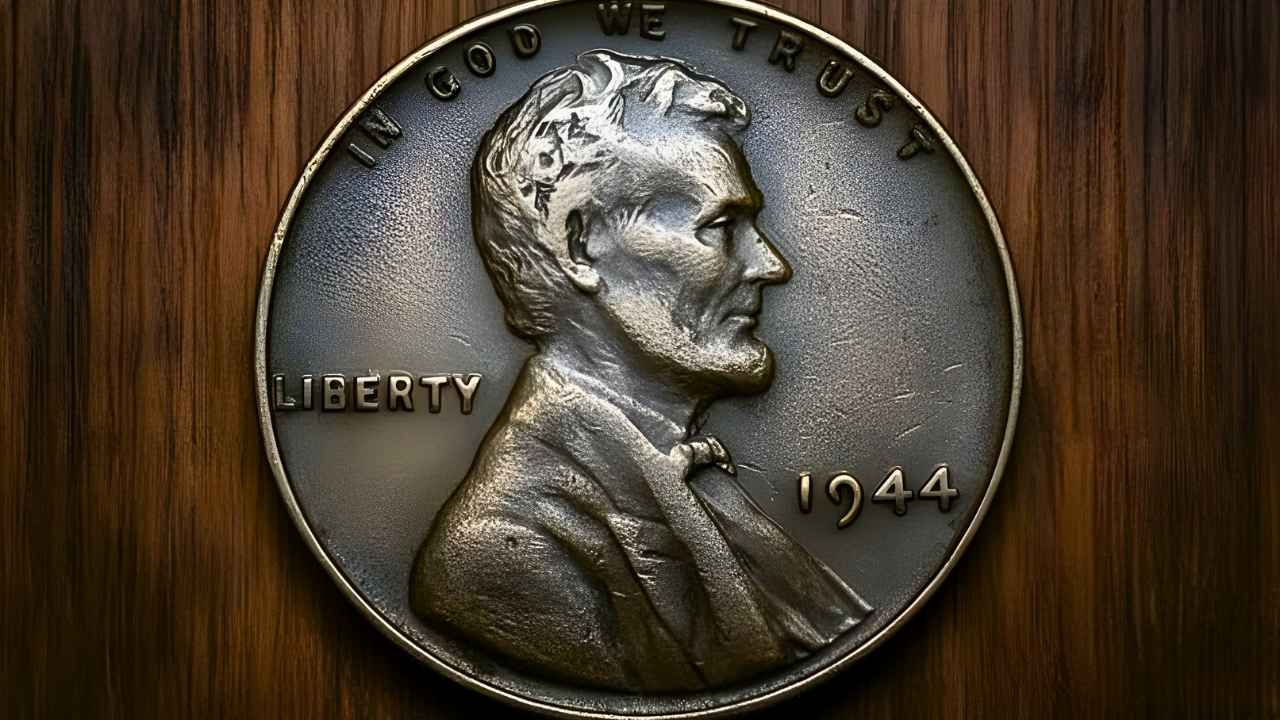
Lincoln Wheat Pennies: Lincoln Wheat Pennies hold a special place in American history and in the hearts of coin collectors around the world. These small copper coins were once a common sight in everyday transactions, yet today some of them are among the most valuable and sought after coins ever produced by the United States Mint.
What makes Lincoln Wheat Pennies so fascinating is the combination of history, artistry, and the possibility of hidden treasure. While many are worth only a few cents, certain rare examples have sold for hundreds of thousands or even millions of dollars, turning simple pennies into legendary collectibles.
The Birth of the Lincoln Wheat Penny
The Lincoln Wheat Penny was introduced in 1909 to mark the 100th anniversary of the birth of Abraham Lincoln. It was a groundbreaking moment in American coinage because it was the first circulating U.S. coin to feature the portrait of a real historical figure.
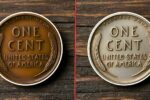
Designed by sculptor Victor David Brenner, the coin displays Lincoln’s profile on the front and two wheat stalks on the reverse. The wheat design symbolized national prosperity and strength. This design remained in circulation until 1958, making it one of the longest running designs in U.S. history.
Why Lincoln Wheat Pennies Became So Popular
Lincoln Wheat Pennies gained popularity not only because of their design but also because they were minted during some of the most important periods in American history. These coins passed through the hands of citizens during the Great Depression, World War I, World War II, and the postwar boom.
Many families saved Wheat Pennies out of habit, nostalgia, or curiosity. As time passed and certain dates became harder to find, collectors began to recognize their value. This widespread availability combined with growing scarcity fueled intense interest.
The Most Valuable Lincoln Wheat Pennies Ever Discovered
Among the most valuable Wheat Pennies, the 1943 copper penny stands above all others. During World War II, copper was reserved for military use, and pennies were struck in steel. A few copper blanks were mistakenly used, creating one of the rarest coins in American history. These pennies have sold for extraordinary prices.
The 1909 S VDB Wheat Penny is another legendary coin. Its low mintage and the presence of the designer’s initials on the reverse make it highly desirable. Collectors consider it a cornerstone of any serious Wheat Penny collection.
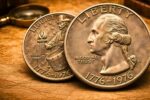
The 1914 D Wheat Penny and the 1922 No D Wheat Penny are also among the most valuable due to low production and minting errors.
The Role of Minting Errors in Creating Rare Coins
Minting errors are a major reason why some Wheat Pennies are so valuable. Errors can occur when dies wear out, metal blanks are incorrect, or the striking process goes wrong. While most errors are minor, some are dramatic and rare.

Double dies, off metal strikes, missing mint marks, and wrong planchet errors can turn an ordinary penny into a collector’s dream. Because these errors were never intended, only a small number exist, increasing demand and value.
How Condition Affects Wheat Penny Value
Condition plays a crucial role in determining the value of a Lincoln Wheat Penny. Coins are graded based on wear, sharpness, surface quality, and originality. A rare penny in poor condition may still be valuable, but one in near mint condition can be worth many times more.
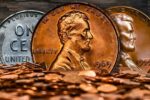
Collectors prefer coins with clear details, minimal scratches, and original color. Cleaning a coin, even gently, can significantly reduce its value. Natural aging is far more desirable than artificial shine.
Where Valuable Wheat Pennies Are Found
Many valuable Wheat Pennies have been found in everyday places. Some were discovered in old jars of loose change, inherited collections, or forgotten drawers. Because pennies circulate for many years, rare examples can remain unnoticed for decades.
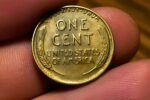
Estate sales and family collections are especially promising sources. People who lived through the early and mid twentieth century often saved coins without realizing their future worth.
How to Identify a Valuable Lincoln Wheat Penny
Identifying a valuable Wheat Penny starts with checking the date and mint mark. Coins minted between 1909 and 1958 should be examined closely, especially those from key years.
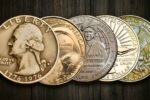
Mint marks indicate where the coin was produced and can significantly impact value. Metal composition, color, and weight also provide important clues. Any penny that looks unusual or does not match expectations deserves further attention.
What to Do If You Think You Found a Rare Wheat Penny
If you believe you have found a rare Lincoln Wheat Penny, handle it carefully by the edges and store it in a protective holder. Do not clean or polish the coin.
Professional authentication is essential. A reputable coin dealer or grading service can confirm authenticity and determine the coin’s grade. This information is crucial for understanding true value and deciding on next steps.
Why Lincoln Wheat Pennies Remain Sought After Today
Lincoln Wheat Pennies remain popular because they offer a perfect balance of history, accessibility, and excitement. Anyone can begin collecting them, yet the potential rewards can be significant.
These coins serve as tangible connections to America’s past and remind people that even the smallest objects can carry immense value and meaning.
Final Thoughts
Lincoln Wheat Pennies are among the most valuable and sought after coins in history for good reason. They combine artistic beauty, historical importance, and the thrill of discovery.
Whether you are an experienced collector or someone casually checking old coins, understanding Wheat Pennies opens the door to an exciting world of hidden treasures. That ordinary penny might be far more extraordinary than it appears.