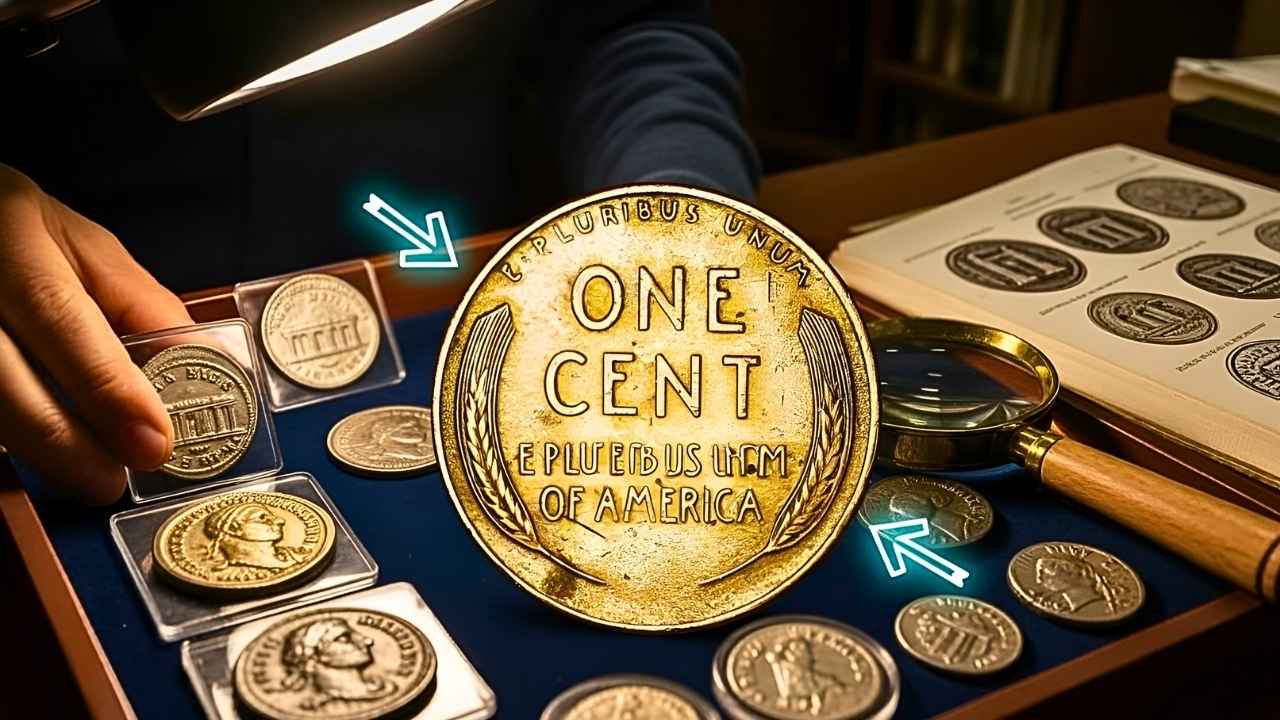
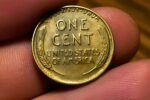
High-Value Wheat Pennies: Wheat pennies, also known as the Lincoln Wheat Cent, were minted by the U.S. Mint from 1909 to 1958. These iconic coins feature a portrait of President Abraham Lincoln on the obverse and two stalks of wheat on the reverse. Over the years, Wheat Pennies have become a popular collectible among numismatists, with some of the rarer dates and error coins fetching significant sums at auctions. While many Wheat Pennies are relatively common, a select few are highly valuable due to their scarcity, historical significance, and minting errors.
In this article, we’ll explore some of the most sought-after Wheat Pennies, focusing on rare dates and error varieties that are worth collecting. Whether you’re an experienced collector or just getting started, this guide will help you identify the high-value Wheat Pennies that could enhance your collection or investment portfolio.
Understanding Wheat Penny Value
Before diving into the rare dates and error coins, it’s important to understand the basic factors that determine the value of a Wheat Penny. These include:
Minting Year and Mintage Numbers
The year a coin was minted plays a major role in determining its value. Some years have lower mintage numbers than others, which makes those coins rarer and more valuable. For example, a coin from a year when the U.S. Mint produced fewer pennies will often be worth more than a coin from a year when production was high.
Condition and Grading
The condition of a Wheat Penny is another important factor in determining its value. Coins are graded based on their appearance, with higher grades commanding higher prices. Coins in pristine condition, such as those rated as MS-65 or above, are often more valuable than those with signs of wear and tear. The grading scale ranges from Poor to Perfect, and a higher-grade Wheat Penny will fetch significantly more on the market.
Errors and Varieties
Minting errors and special varieties are among the most exciting aspects of Wheat Penny collecting. Some coins were struck with incorrect dies, creating unique error coins that can be worth significantly more than standard examples. Additionally, there are special varieties of Wheat Pennies that, due to their unusual characteristics, are highly sought after by collectors.
Rare Dates of Wheat Pennies Worth Collecting
Certain years of the Wheat Penny series are considered more valuable due to their low mintage or unique historical significance. These rare dates are often the most coveted by collectors. Here are some of the high-value Wheat Pennies to look out for:
1909-S VDB Wheat Penny
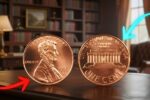
The 1909-S VDB Wheat Penny is one of the most famous and sought-after coins in the entire series. This coin was the first year of the Lincoln Cent, and it features the initials “VDB” (for designer Victor David Brenner) on the reverse under the wheat stalks. Only about 484,000 of these coins were minted, making them extremely rare. The 1909-S VDB is highly desirable in both circulated and uncirculated conditions, and well-preserved specimens can fetch thousands of dollars at auction.
1914-D Wheat Penny
The 1914-D Wheat Penny is another rare and valuable coin. With a mintage of just over 1 million coins, it is considered one of the rarest coins in the entire Wheat Penny series. The 1914-D is especially valuable in higher grades, and coins in mint state (MS-63 or higher) can command significant prices. This coin’s rarity and high demand make it one of the most desirable pieces for collectors of Wheat Pennies.
1922 No D Wheat Penny
The 1922 No D Wheat Penny is a famous error coin that is widely recognized among numismatists. During the minting process, a die used to strike the coins became worn out, causing the “D” mintmark to be nearly completely absent on some coins. The 1922 No D is one of the most famous mint errors in U.S. coinage, and as a result, it is highly sought after. Due to its low mintage and unique error, the 1922 No D Wheat Penny can fetch prices in the thousands of dollars, especially for coins in high-grade condition.
1931-S Wheat Penny
While the 1931-S Wheat Penny may not be as famous as the 1909-S VDB or 1914-D, it is still one of the rarest and most valuable coins in the series. With a mintage of just 866,000 coins, the 1931-S is a key date for collectors. Its rarity, combined with the demand for complete sets of Wheat Pennies, has made it highly valuable, with well-preserved specimens often fetching premium prices.
1955 Double Die Obverse
The 1955 Double Die Obverse is one of the most famous and widely collected error coins in U.S. history. This coin was struck with a doubled die, which caused the letters and numbers on the obverse to appear doubled, giving the coin a distinctive and easily recognizable look. The 1955 Double Die Obverse is extremely rare in higher grades, and well-preserved examples can sell for thousands of dollars at auction. It is one of the most coveted coins for collectors of Lincoln Wheat Cents.
Error Coins and Varieties of Wheat Pennies
In addition to the rare dates mentioned above, Wheat Pennies also feature a number of minting errors and varieties that make them particularly valuable. These coins were struck incorrectly during the minting process, resulting in unique and often dramatic features. Here are some of the most valuable error coins and varieties to look out for:
Double Strikes
A double strike occurs when a coin is struck twice by the same die, resulting in a coin with two overlapping images. This error can occur on either the obverse or reverse of the coin, and the more pronounced the double strike, the more valuable the coin becomes. A double strike on a Wheat Penny is a highly desirable error and can increase the coin’s value dramatically.
Off-Center Strikes
Off-center strikes happen when a coin is not properly aligned during the minting process, resulting in a coin with part of the design missing or shifted to one side. These error coins can vary in severity, with some showing only slight off-center misalignment and others having a significant portion of the design missing. Off-center Wheat Pennies are particularly prized by collectors and can fetch high prices at auction, especially if the error is dramatic.
Clipped Planchets
A clipped planchet occurs when a coin is struck from a blank planchet that has been partially cut or clipped, resulting in a coin with a missing section along the edge. Wheat Pennies with clipped planchets are relatively rare and highly desirable. The more dramatic the clip, the more valuable the coin becomes. Clipped planchets are often seen as unique and intriguing examples of minting errors.
Repunched Mintmarks
Repunched mintmarks occur when a mintmark is punched into the die multiple times, resulting in a coin that shows multiple mintmarks. This error is commonly seen on coins with mintmarks such as “D” (for Denver) or “S” (for San Francisco). Repunched mintmarks on Wheat Pennies are relatively rare and can add significant value to a coin.
How to Buy and Sell High-Value Wheat Pennies
When buying or selling high-value Wheat Pennies, it’s important to take a few key steps to ensure you’re getting the best deal:
Buy from Reputable Dealers
Always buy from reputable dealers who specialize in rare coins. Established dealers can help you find high-quality coins and offer guidance on their authenticity and condition. Be sure to ask for a certificate of authenticity or, if possible, get the coin professionally graded by a trusted grading service like PCGS or NGC.
Know the Market Value
Before purchasing or selling a Wheat Penny, it’s important to research its current market value. Prices can fluctuate based on demand, condition, and rarity, so understanding the value of a particular coin will help you make informed decisions.
Consider Grading and Condition
The condition of the coin is crucial when buying or selling high-value Wheat Pennies. Coins that are in excellent condition, particularly those graded in the Mint State (MS) range, are worth significantly more than coins that are heavily worn or damaged. Always consider the grade and the coin’s condition when determining its value.
Conclusion
High-value Wheat Pennies are some of the most exciting and valuable coins in the world of numismatics. Whether you’re a seasoned collector or just starting out, knowing which rare dates and errors to look for can help you build a collection that could appreciate in value over time. From the famous 1909-S VDB to the iconic 1955 Double Die Obverse, these rare and error coins are highly sought after by collectors and can command impressive prices at auction. By understanding the factors that contribute to the value of these coins, you can make smart decisions when buying or selling Wheat Pennies, ensuring that you build a collection of truly valuable and rare pieces.