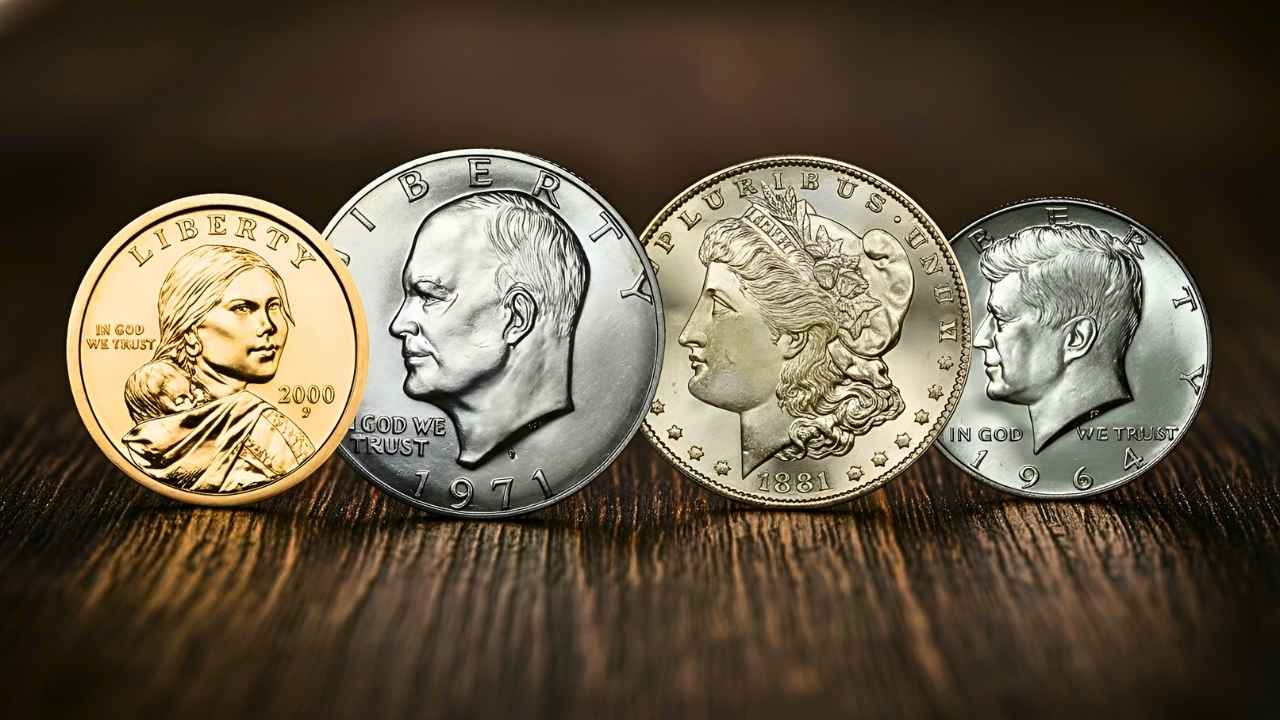
Coin Collectors’ Guide: Coin grading is one of the most important aspects of coin collecting. The grade of a coin not only reflects its condition but also plays a critical role in determining its market value. Collectors, investors, and hobbyists all rely on grading to assess a coin’s rarity, quality, and potential worth.
Whether you are just starting out or have a growing collection, understanding how to grade coins correctly can unlock significant value. With proper grading knowledge, you can identify hidden treasures, avoid mistakes, and make informed decisions when buying or selling coins.
Why Grading Matters
Grading provides a standardized way to evaluate a coin’s condition. Coins that appear similar to the untrained eye may have vastly different grades when examined closely. These differences can translate into large variations in value.
For rare coins, even a small difference in grade can affect price dramatically. For example, a coin graded MS65 might sell for thousands of dollars more than the same coin graded MS60. Accurate grading ensures collectors pay fair prices and sellers receive the full market value for their coins.
The Basics of Coin Grading
Coin grading generally focuses on several key aspects: wear, strike, luster, surface quality, and eye appeal. Each of these factors contributes to the overall grade.
Wear is the most obvious factor. Coins that have circulated will show signs of contact with other coins, reducing their sharpness and detail. Striking refers to how well the design elements were pressed onto the coin during production. Strong strikes reveal crisp details, while weak strikes may look flat or indistinct.
Luster describes the reflective quality of the coin’s surface, which can diminish with handling or improper storage. Surface quality evaluates scratches, nicks, or corrosion, while eye appeal is the subjective overall impression of the coin.
Popular Grading Scales
The most widely used grading scale is the Sheldon Scale, which ranges from 1 to 70. A coin graded 1 is considered Poor, while a perfect coin with no flaws is graded 70. Circulated coins typically fall between 1 and 60, while uncirculated coins begin at around MS60 and above.
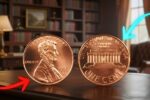
Professional grading services assign official grades using this scale, providing collectors with an objective assessment of condition. These services are essential for serious collectors who want to ensure accuracy and maintain market credibility.
Professional vs. Self Grading
Self grading is common among casual collectors who want a quick idea of their coin’s condition. While this is acceptable for personal knowledge, professional grading offers higher reliability, especially for high-value coins.
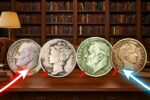
Professional graders have extensive experience, standardized procedures, and magnification tools that allow them to identify details invisible to the naked eye. Coins graded by recognized services are often easier to sell and command higher prices.
Tips for Grading Coins Accurately
Accurate coin grading requires careful observation and patience. Begin by examining the coin under proper lighting and with a magnifying tool. Look for wear on the high points of the design, as these areas typically show the earliest signs of circulation.
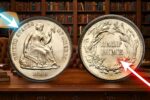
Compare your coin to reference guides or high-quality images of similar coins in known grades. Check for luster, surface marks, and any unusual characteristics. Avoid cleaning the coin, as this can permanently affect grade and reduce value.
The Impact of Toning and Patina
Natural toning or patina can affect a coin’s grade and desirability. While some collectors prefer original color and untoned surfaces, others prize coins with attractive, even toning. Toning does not necessarily lower the grade; in fact, it can enhance eye appeal when it occurs naturally over time.
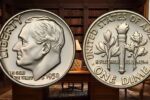
Artificial toning, however, is discouraged. It is usually applied to mimic desirable colors and can significantly reduce a coin’s authenticity and market value.
Handling and Storage for Preserving Grades
Proper handling and storage are essential for maintaining coin grade. Always hold coins by their edges to avoid fingerprints and oils from skin contact. Store coins in protective holders, such as capsules, flips, or albums designed for long-term preservation.
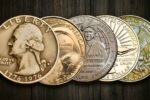
Avoid exposure to heat, humidity, or chemicals, as these can cause corrosion or discoloration. Collectors who maintain proper storage practices protect both the grade and value of their collection over time.
Identifying Rare Coins Through Grading
Grading is especially critical when dealing with rare coins. Subtle differences between grades can determine whether a coin is collectible or extremely valuable. Coins with mint errors, low mintage, or historical significance benefit greatly from accurate grading.
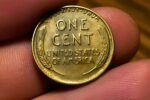
Even slight imperfections can impact desirability among collectors. A careful eye and familiarity with grading standards help identify coins that may be worth more than initially expected.
Common Mistakes in Coin Grading
Many collectors make mistakes when grading coins. One frequent error is overestimating grade due to sentimental attachment. Another is cleaning or polishing coins, which often destroys the original surfaces and reduces value.
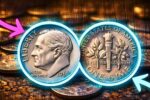
Ignoring small details like scratches, die cracks, or weak strikes can also lead to inaccurate grading. Education, reference materials, and experience are essential for avoiding these pitfalls.
Using Grading to Maximize Value
Understanding grading can unlock maximum value for your coins. Coins graded professionally often sell for significantly higher prices than ungraded counterparts. Grading also provides confidence for buyers and sellers, helping them negotiate fair prices.
For collectors with large or diverse collections, grading helps prioritize coins for insurance, display, or sale. It ensures that every coin is represented accurately in terms of condition and market potential.
Final Thoughts
Coin grading is a vital skill for collectors who want to maximize the value of their collection. By learning the fundamentals, observing coins carefully, and using professional grading services when necessary, collectors can uncover hidden treasures and avoid costly mistakes.
Whether you are a casual hobbyist or an experienced numismatist, understanding grading opens the door to a more informed and rewarding coin collecting experience. Proper evaluation, handling, and storage are essential tools that help protect both the grade and the value of your coins for years to come.