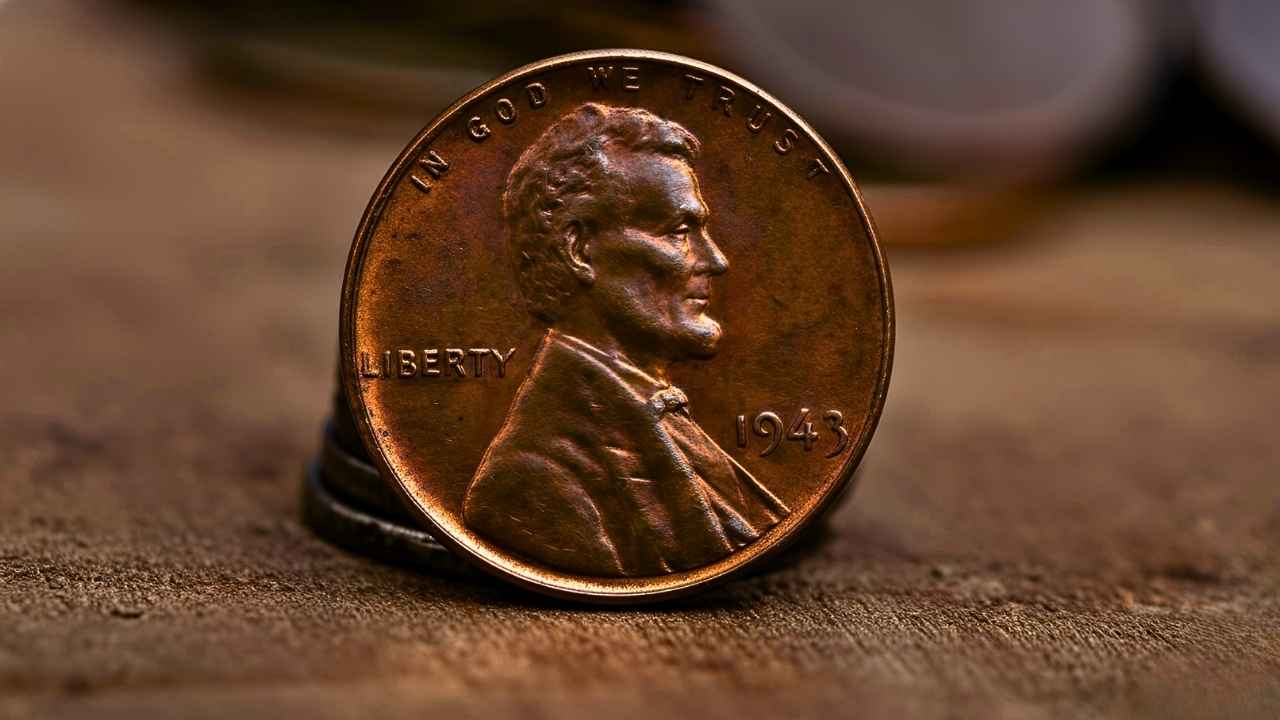
The Lincoln Wheat Penny Worth $810,000: Imagine pulling a single penny from your pocket and discovering it is worth 810,000 dollars. It sounds unbelievable, but for a very small number of people, this dream has become reality. The Lincoln Wheat Penny is one of the most famous coins in American history, and certain rare versions have sold for astonishing amounts at auctions. These coins are not ancient artifacts or gold pieces, but ordinary one cent coins that once circulated among the public.
The idea that such a valuable coin could still be hiding in everyday change continues to excite collectors and casual coin checkers alike. Understanding what makes this penny so valuable is the first step toward knowing whether you could be holding one yourself.

The Story Behind the Lincoln Wheat Penny
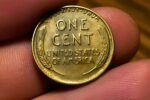
The Lincoln Wheat Penny was introduced in 1909 to honor the 100th birthday of Abraham Lincoln. Designed by Victor David Brenner, the coin features Lincoln’s portrait on the front and two wheat stalks on the back, symbolizing prosperity and strength. This design remained in use until 1958, making it one of the longest running designs in U.S. coinage.
Billions of Wheat Pennies were minted during these years, and most are still worth only a few cents. However, a handful were created under unusual conditions, and those rare coins are now among the most valuable pennies ever discovered.

Why Some Wheat Pennies Are Worth 810,000 Dollars
The Wheat Penny associated with the 810,000 dollar value is typically linked to rare minting errors during World War II. In 1943, copper was needed for military equipment, so the U.S. Mint switched to zinc coated steel for pennies. These steel pennies appear silver in color and are very common.
However, a small number of copper blanks from previous years were accidentally left in the minting presses and struck with the 1943 date. These copper 1943 Wheat Pennies were never meant to exist, making them extremely rare. Because of their scarcity and historical significance, collectors are willing to pay extraordinary prices, with some sales reaching or exceeding 810,000 dollars depending on condition and mint origin.
How to Identify a Rare 1943 Copper Penny
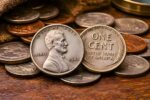
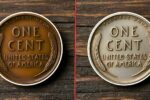
The first thing to check is the date. If your penny reads 1943, pay close attention to its color. Most 1943 pennies are steel and have a gray or silver appearance. A genuine copper version will look brown or reddish, similar to older pennies.
Another important test is magnetism. Steel pennies stick to a magnet, while copper pennies do not. If a 1943 penny does not react to a magnet, it deserves further inspection. Weight can also help. Copper pennies weigh about 3.11 grams, while steel pennies weigh less.
Be cautious, as counterfeit coins exist. Some steel pennies are copper plated to deceive buyers, and some dates are altered from other years. Professional authentication is essential before assuming any coin is genuine or valuable.
Other Rare Wheat Pennies That Command Huge Prices
While the 1943 copper penny is the most famous, it is not the only Wheat Penny worth a fortune. Another highly valuable coin is the 1944 steel Wheat Penny. In 1944, the Mint returned to copper, but a few leftover steel blanks were accidentally used. These coins are also extremely rare and can sell for hundreds of thousands of dollars.
The 1909 S VDB Wheat Penny is another legendary coin. It was minted in limited numbers and features the designer’s initials on the reverse. Because production was stopped early, surviving examples are highly prized.
The 1914 D and 1922 No D Wheat Pennies are also valuable due to low mintage and minting errors, especially in higher grades.
The Importance of Coin Condition
Condition plays a massive role in determining value. A rare Wheat Penny in poor condition may still be worth thousands, but the same coin in excellent condition can be worth several times more. Collectors look for sharp details, minimal wear, clear lettering, and original surfaces.
One of the biggest mistakes people make is cleaning coins. Cleaning can remove natural patina and microscopic details, drastically reducing value. Even a coin worth hundreds of thousands of dollars can lose a significant portion of its worth if improperly cleaned.

Where Valuable Wheat Pennies Are Found
Surprisingly, many valuable Wheat Pennies were discovered by ordinary people. Some were found in old coin jars, inherited collections, or rolls of pennies from banks. Because pennies tend to circulate for decades, rare examples can remain unnoticed for years.
Older homes, estate sales, and family heirlooms are common sources of Wheat Pennies. People who saved coins during the early and mid twentieth century often left behind collections that were never fully examined.
What to Do If You Think You Found One
If you believe you may have a rare Lincoln Wheat Penny, resist the urge to sell it immediately. First, store the coin safely in a protective holder. Do not clean or polish it.
Next, have the coin examined by a professional coin dealer or a reputable grading service. Authentication is critical, especially for coins with six figure potential. Once confirmed, you can explore selling options such as major auctions or private collectors to achieve the highest possible price.
Why the Lincoln Wheat Penny Still Fascinates Collectors
The Lincoln Wheat Penny remains popular because it represents a perfect blend of history, accessibility, and excitement. Anyone can afford to collect Wheat Pennies, yet the possibility of finding a rare example worth hundreds of thousands of dollars keeps the hobby thrilling.
These coins connect people to major moments in American history, including the Great Depression and World War II. Each penny tells a story, and some stories are far more valuable than others.
Final Thoughts
The idea that a Lincoln Wheat Penny could be worth 810,000 dollars proves that incredible value can hide in the smallest places. While the chances of finding such a rare coin are slim, they are not zero. Learning what to look for, handling coins properly, and staying curious can turn an ordinary penny into an extraordinary discovery.
The next time you check your pocket change or come across an old jar of coins, take a closer look. That humble penny might just be worth a fortune.