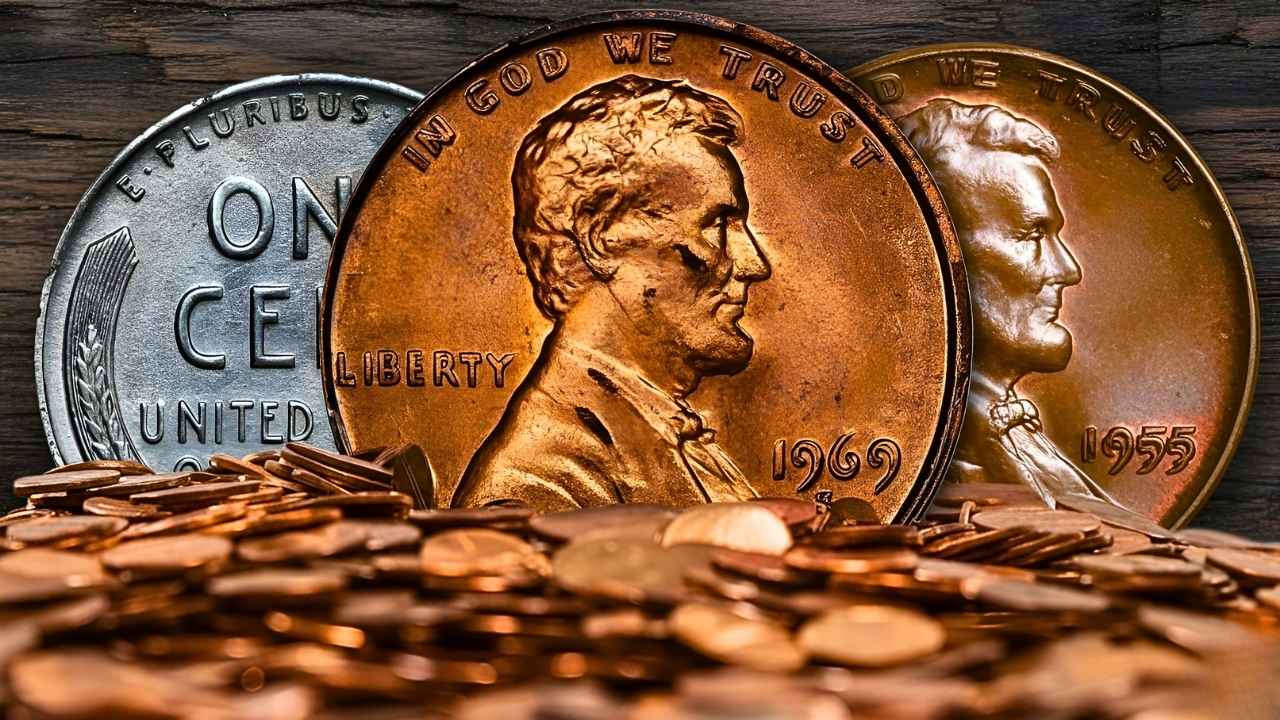
$550K Lincoln Wheat Penny: The thought that a single penny could be worth 550,000 dollars feels almost impossible, yet this is a real and documented reality in the world of coin collecting. The Lincoln Wheat Penny, once an everyday coin used to buy candy or make small change, has become one of the most closely watched coins in American history. Certain rare versions have sold for staggering amounts, turning ordinary people into accidental treasure hunters.
What makes this story even more exciting is the possibility that one of these valuable pennies could still be hiding in circulation. Old change jars, inherited collections, and forgotten drawers may hold coins worth far more than their face value.

The History of the Lincoln Wheat Penny
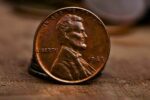
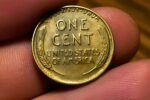
The Lincoln Wheat Penny was first minted in 1909 to honor the 100th birthday of President Abraham Lincoln. It marked the first time a real person appeared on a circulating United States coin. Designed by Victor David Brenner, the penny features Lincoln’s portrait on the front and two wheat stalks on the back.
This design was produced until 1958, after which it was replaced by the Lincoln Memorial reverse. Over nearly fifty years, billions of Wheat Pennies were minted, but only a small number were created under rare circumstances that would later make them extremely valuable.
Why Some Wheat Pennies Reach 550,000 Dollars
A Lincoln Wheat Penny becomes valuable when rarity, demand, condition, and history come together. The pennies that reach values around 550,000 dollars are usually connected to minting errors or unusual production changes.
One of the most well known examples is the 1943 copper Wheat Penny. During World War II, the United States Mint switched from copper to steel to save copper for military use. However, a few copper blanks from earlier years were accidentally left in the presses and struck with the 1943 date. These coins were never meant to exist, making them incredibly rare.
Depending on condition and mint origin, some of these coins have sold for hundreds of thousands of dollars, including prices around the 550,000 dollar mark.
Key Dates and Rare Varieties to Look For
While the 1943 copper penny is the most famous, it is not the only Wheat Penny worth a fortune. The 1909 S VDB penny is one of the most desirable coins among collectors due to its low mintage and the presence of the designer’s initials.
The 1914 D Wheat Penny is another key date that can be extremely valuable, especially in high grade condition. The 1922 No D penny is a well known error where the Denver mint mark is missing due to worn dies.
Each of these coins becomes significantly more valuable when found in excellent condition with clear details and original surfaces.
How to Identify a Potentially Valuable Wheat Penny
The first step in identifying a rare Wheat Penny is checking the date and mint mark. Pennies minted between 1909 and 1958 deserve close inspection. Mint marks appear below the date and indicate where the coin was produced.
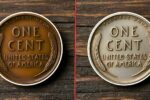
Color and metal composition are also important. A 1943 penny should normally appear silver colored due to its steel composition. If it appears copper colored, it may be worth further investigation. A magnet can help with this test, as steel pennies are magnetic while copper pennies are not.
Weight can also provide clues. Copper pennies weigh more than steel ones. However, professional evaluation is always necessary before drawing conclusions.
The Role of Coin Condition in Value
Condition plays a massive role in determining value. Coins are graded based on wear, surface quality, and sharpness of detail. A rare Wheat Penny in poor condition may still be valuable, but one in near mint condition can be worth many times more.
Collectors look for coins with sharp lettering, minimal wear, and original color. Cleaning a coin can seriously reduce its value, even if it appears shinier afterward. Natural aging is preferred by collectors.
Where Rare Wheat Pennies Are Found
Many valuable Wheat Pennies have been discovered in surprising places. Some were found in old jars of loose change, inherited coin collections, or rolls of pennies obtained from banks. Because pennies circulate for decades, rare examples can remain unnoticed for many years.
Estate sales and family collections are particularly good sources. Older generations often saved coins without realizing their future value.
What to Do If You Think You Found One
If you believe you have found a rare Wheat Penny, the most important thing is to protect it. Handle the coin by its edges and place it in a protective holder. Do not clean or polish it under any circumstances.
The next step is professional authentication. A reputable coin dealer or grading service can confirm whether the coin is genuine and assess its condition. This process is essential before selling or insuring the coin.
Why Lincoln Wheat Pennies Remain Popular Today
Lincoln Wheat Pennies continue to attract collectors because they are affordable, historic, and exciting. Anyone can start collecting them, yet the possibility of discovering a high value coin keeps interest strong.
These pennies connect people to major moments in American history, including economic hardship and wartime change. Each coin carries a story, and some stories are worth hundreds of thousands of dollars.
Common Mistakes to Avoid When Checking Your Change
One of the biggest mistakes people make is cleaning coins. Another is selling a potentially rare coin too quickly without proper evaluation. Misidentifying altered or counterfeit coins is also common.
Taking time to research and seek expert advice can prevent costly errors. Patience is often rewarded in the world of coin collecting.
Final Thoughts
The 550,000 dollar Lincoln Wheat Penny is proof that extraordinary value can hide in ordinary places. While finding one is rare, the possibility exists, and that is what makes checking your change so exciting.
Learning what to look for, handling coins carefully, and understanding the importance of condition can turn a simple penny into a life changing discovery. The next time you see an old penny, take a closer look. It might be worth far more than you imagine.