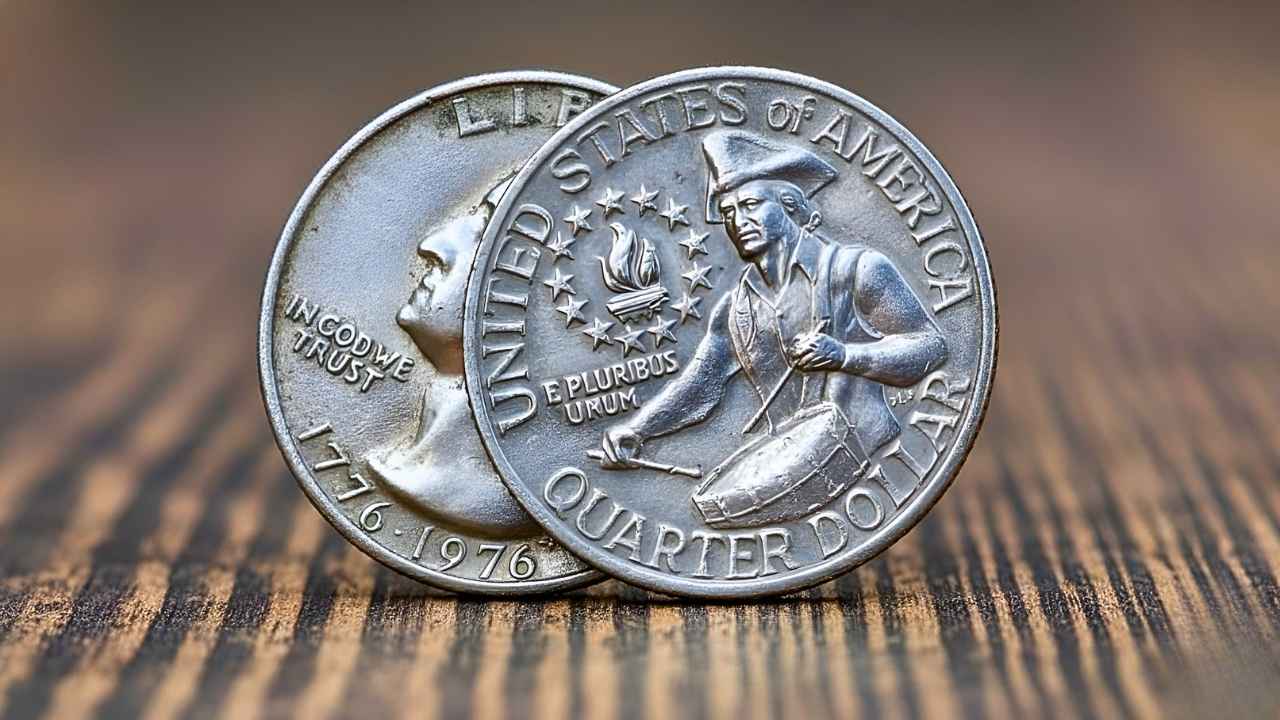
$5.3 Million Bicentennial Quarter: The idea that a single quarter could be worth 5.3 million dollars sounds unbelievable to most people. Quarters are everyday coins that pass through countless hands, vending machines, and cash registers. Yet one specific Bicentennial quarter has captured worldwide attention by reaching a value that rivals rare artwork and luxury real estate.
What makes this story even more exciting is that Bicentennial quarters were produced in massive numbers and circulated widely. This means the possibility, however small, still exists that a rare and valuable example could be hiding in plain sight.
The History of the Bicentennial Quarter
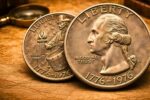
The Bicentennial quarter was issued in 1975 and 1976 to celebrate the 200th anniversary of American independence. Unlike regular quarters, it features a unique reverse design showing a colonial drummer and a torch surrounded by stars. The obverse retains George Washington’s portrait but includes the dual date 1776 to 1976.
Millions of Americans saved these coins as keepsakes, believing they would one day be valuable. While most Bicentennial quarters remain worth only face value, a small number were produced under unusual circumstances that transformed them into extraordinary collectibles.
Why One Bicentennial Quarter Is Worth 5.3 Million Dollars
The Bicentennial quarter associated with the 5.3 million dollar valuation is believed to be an extremely rare combination of factors. Rarity alone does not create such value. The coin must also have exceptional condition, unique characteristics, and strong collector demand.
Experts believe this quarter was struck on a special or experimental planchet not intended for circulation. In addition, the coin displays near perfect preservation, suggesting it avoided normal wear entirely. When a coin combines extreme rarity with flawless condition and historical importance, values can climb into the millions.
The Role of Minting Errors in Creating Million Dollar Coins
Minting errors are one of the most important factors behind high value modern coins. Errors occur when something goes wrong during the production process, such as using the wrong metal, misaligned dies, or striking multiple designs onto one coin.
For the Bicentennial quarter, the most valuable errors involve incorrect metal composition or proof quality coins entering circulation. These errors are rare because quality control at the mint is typically very strict. When an error does escape, it becomes an unintentional rarity that collectors aggressively pursue.
Silver Bicentennial Quarters and Why They Matter
Most Bicentennial quarters were made from copper nickel clad metal, just like modern quarters. However, a limited number were struck in 40 percent silver for collectors. These silver versions were not meant for everyday use.
If a silver Bicentennial quarter were mistakenly released into circulation or struck with additional errors, its value could increase dramatically. Identifying silver content involves checking weight, sound, and edge color, though professional verification is always recommended.
How to Identify a Potentially Valuable Bicentennial Quarter
The first step is checking the date. All Bicentennial quarters display the dual date 1776 to 1976. Next, examine the coin’s color and edge. A solid silver edge without a copper stripe may indicate silver content.
Unusual weight, mirror like surfaces, or exceptionally sharp details could signal a proof or special strike. Errors such as off center designs, double strikes, or missing layers also deserve attention. Any quarter that looks noticeably different from standard examples should be examined closely.
The Importance of Condition and Preservation
Condition is critical in determining value. Coins are graded based on wear, surface quality, strike sharpness, and originality. A rare error quarter in poor condition may still be valuable, but one in near perfect condition can be worth exponentially more.
Collectors strongly prefer coins that have never been cleaned. Cleaning can remove microscopic details and original surfaces, permanently lowering value. Even fingerprints can cause damage over time, making careful handling essential.
Where Rare Bicentennial Quarters Are Found
Many valuable coins have been discovered in unexpected places. Bicentennial quarters have been found in old collections, coin jars, bank rolls, and inherited belongings. Because these quarters were saved by many people, some collections were never properly examined.
Searching rolls of quarters from banks remains a popular method among collectors. Estate sales and family collections are also promising sources for unsearched coins.
What to Do If You Think You Found One
If you believe you may have a rare Bicentennial quarter, the most important step is to protect it. Handle the coin only by its edges and place it in a protective holder. Avoid cleaning or polishing it in any way.
The next step is professional authentication. A reputable coin dealer or grading service can confirm whether the coin is genuine, identify any errors, and assign an official grade. This confirmation is essential before selling or insuring the coin.
Common Myths About Valuable Bicentennial Quarters
One common myth is that all Bicentennial quarters are valuable. In reality, most are worth only face value. Another misconception is that age alone determines value. Rarity and condition are far more important.
Some people also believe that discoloration or damage increases value. In most cases, damage lowers value unless it is a documented mint error.
Why Bicentennial Quarters Still Fascinate Collectors
Bicentennial quarters remain popular because they represent a unique moment in American history. Their distinctive design and widespread circulation make them familiar yet intriguing.
The idea that a quarter from everyday change could be worth millions adds excitement and mystery. It encourages people to look more closely at the coins they handle every day.
Final Thoughts
The 5.3 million dollar Bicentennial quarter proves that extraordinary treasures can hide in the most ordinary places. While the chances of finding such a coin are extremely small, the possibility exists, and that is what keeps collectors searching.
Learning what to look for, handling coins properly, and seeking expert evaluation can turn curiosity into opportunity. The next quarter you receive might not just be spare change. It could be a remarkable piece of history worth a fortune.